Don’t have an account yet?
Create a free retailer account now or view the other options.
Create a free retailer account now or view the other options.
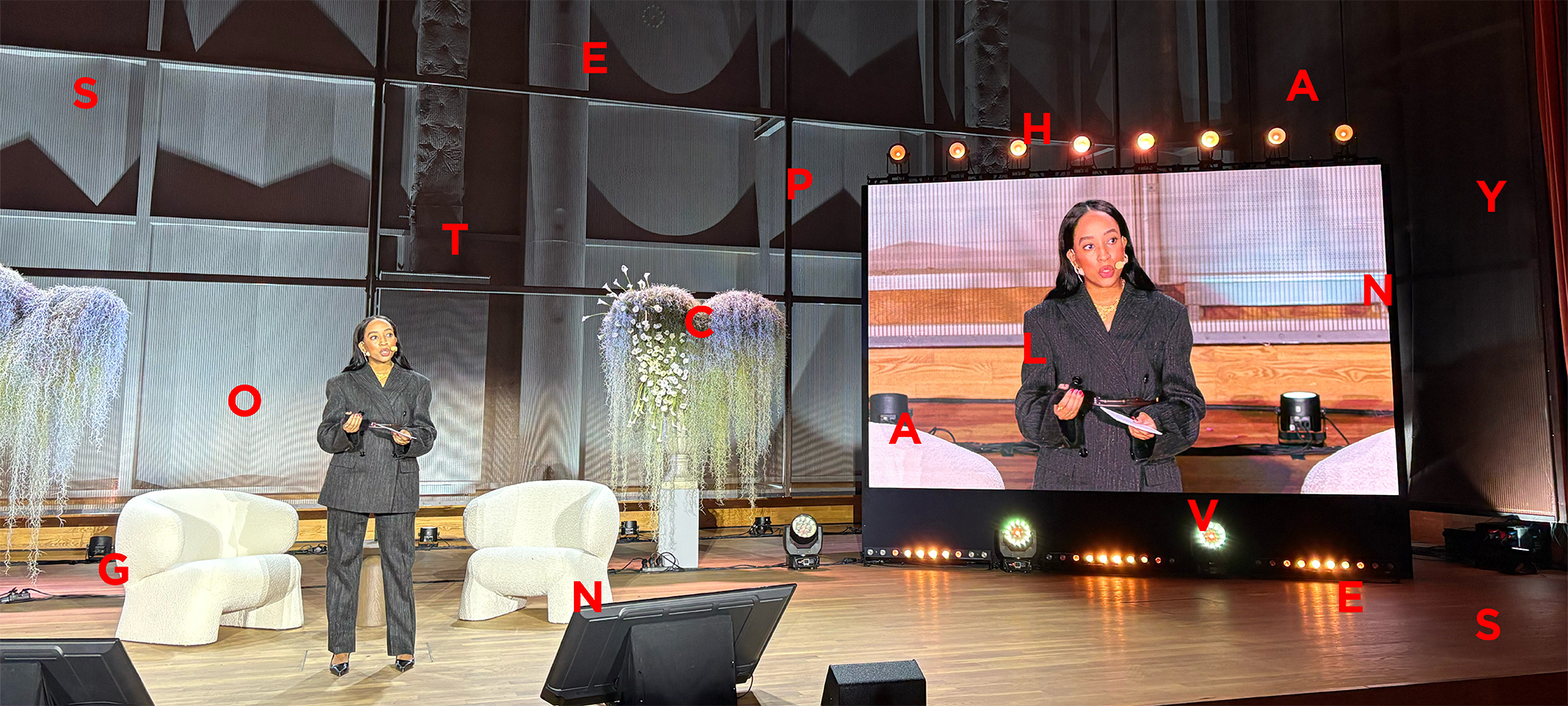
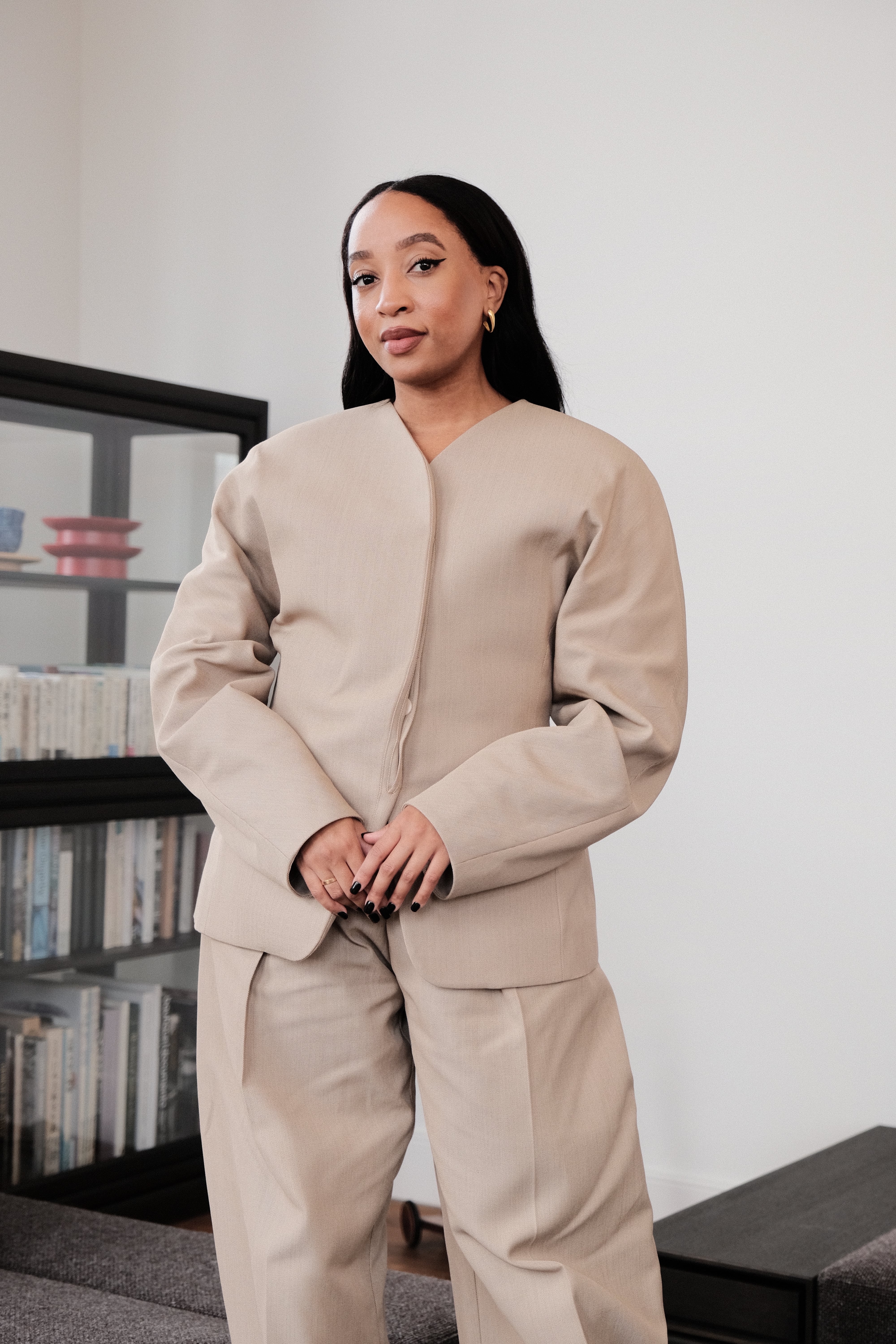
During Modefabriek, you can draw inspiration from the TALKS program, where experts from across the fashion industry share their vision on the future of fashion. To look ahead, we spoke with Stephany Goncalves, one of this season’s speakers. Stephany is a strategic advisor, lecturer and founder of FÉ, a mentorship platform for women in the fashion industry. In her talk Inside the Invisible Majority: Rethinking the Future of Work in Fashion, she shines a light on the often unseen roles that keep the industry running, and are therefore crucial to its future.
Your talk is titled Inside the Invisible Majority. Who or what are you referring to, and why is it important to focus on this now?
“With the Invisible Majority, I’m referring to the large group of professionals who keep the fashion industry running every day, yet rarely take centre stage. These are people in strategic, coordinating, educational, relational and support roles. Think of those who build systems, connect teams, safeguard processes and mentor talent. Numerically, they form the majority, yet their contribution is often overlooked. This moment demands attention because the industry is at a tipping point. We talk a lot about transformation, sustainability and inclusion, but we still operate from an outdated idea of value and visibility. As long as we continue to focus on a small, highly visible top layer, we miss the opportunity for structural change. The future of fashion is being built by people who may not stand at the front, but who maintain oversight, connect the dots and create continuity.”
Fashion often celebrates visible creatives. Which behind-the-scenes roles do you believe are indispensable, yet still receive too little recognition?
“Roles such as project and product managers, sustainability and compliance specialists, planners, buyers with systems knowledge, HR and people leads, data and CRM specialists, educators and mentors. Positions within partnerships, community management and internal communications are also critical. These professionals translate vision into execution. They make creativity scalable, ensure teams can function, and help brands deliver on their promises to consumers and society. Without them, creativity remains fragmented and fragile. Yet these roles are still often seen as ‘supportive’, while in reality they are strategically decisive.”
Your talk explores new ways of working and so-called ‘connective roles’. Can you share an example of such a role that may not receive enough attention?
“A strong example is the role of a ‘connector’ or ‘translator’ between disciplines, someone who links creation, business, sustainability and education. This could be a partnership lead, a program manager, a mentor coordinator, or a hybrid professional who is both strategically and relationally strong. These roles are not always clearly defined and often don’t fit into traditional job titles, but they are essential in a complex industry. They enable alignment, prevent silo thinking and make collaboration sustainable rather than incidental.”
Looking at how the industry is evolving, where do you see the real opportunities for work right now, and what skills are needed to grow along with them?
“The real opportunities lie in roles where content, people and systems intersect. Think sustainability implementation, people & culture, data-driven decision-making, education and lifelong learning, and strategic partnerships. What’s needed is not just technical expertise, but relational intelligence: the ability to listen, translate, reflect and connect. Adaptability, ethical awareness and the ability to work with uncertainty are also crucial. The industry is moving faster than job titles can keep up. The real opportunities belong to those who don’t wait for a formal title, but can clearly articulate the role they play in connecting creation, people and systems, and who dare to take responsibility for the work that exists in between.”
Looking ahead: if we’re back at Modefabriek in five years’ time, what do you hope will have fundamentally changed in how we work in fashion?
“I hope we’ll see an industry that no longer equates value solely with visibility. One that recognises caring, connective and structuring work. Where mentoring and knowledge sharing are not side projects, but embedded in how organisations function. And where careers no longer need to be linear or hierarchical to be considered successful. If, in five years, we can say that people are valued not only for what they create, but also for what they enable for others, then we will have taken a truly fundamental step forward.”
Stephany Goncalves’ talk Inside the Invisible Majority: Rethinking the Future of Work in Fashion can be attended at Modefabriek on Sunday 18 January and Monday 19 January, from 14:00 to 15:00. Curious to discover more insights, perspectives and conversations on the future of fashion? Explore the full TALKS program here and plan your own route.
Share article