Don’t have an account yet?
Create a free retailer account now or view the other options.
Create a free retailer account now or view the other options.
For the final Modefabriek Meets of this calendar year, we catch up via video call with Annik Van Hove of the Belgian agency Amoda. What makes her agency stand out, and what will she be bringing to Modefabriek this January?
“Next year marks our 25th anniversary. I started Amoda in 2001 with the brand Twinset, in a very small 40 m² showroom. In 2005, my first employee joined, and she’s still with me today. I have a wonderful team of experienced seniors and driven juniors; everyone brings added value, an extra talent to the company. But I started on my own, and I’m still the sole owner. The ‘A’ in Amoda still stands for Annik.”
What is Annik’s specialty at Amoda?
“I’ve always had a love for Italy, and I was lucky that my very first job in Antwerp was with an agency focused entirely on Italian brands. Doing business with Italians suits me well, the way they communicate, negotiate and collaborate. Over the years, I’ve built many strong relationships. The Benelux remains an important market for Italian brands, which are often more feminine and of excellent quality. Italy still has the craftsmanship, the fabrics, and a deep historical knowledge of pattern-making, how to shape a sleeve or shoulder in a way that flatters the female body. Not every woman feels comfortable in oversized silhouettes, for example. I still believe clothing should make us look and feel better, boosting our confidence, whether or not you have ‘perfect’ proportions.”
A strong personal vision, clearly..
“I’m both the daughter and granddaughter of a family of tailors. We literally had an atelier at home where suits were handmade, so I grew up with it. I can’t even sew on a button myself, but when I review collections, I always look at the inside, the seams, the lining, the construction. I feel how the shoulders are set, whether the quality is right. I’m not saying every collection always meets those standards, but I do assess whether the price is justified by the way a product is made, and whether it will last longer than a single season. I also studied TMO DETEX in the Netherlands, where you learn a lot about quality and product analysis, how garments are constructed. When we receive customer complaints or returns, I can usually immediately tell what went wrong.”
So you’re advocating for quality in a market increasingly shaped by fast fashion.
“I do see a slight shift happening. Yes, fast fashion has its influence, but there’s also a sense of fatigue among consumers, an overload. People want to consume less, but they are willing to pay for something if the value is there, if they can wear it longer than one season and style it in different ways, sporty, dressed-up, and everything in between. Toward the end of the season, you’ll notice that boutiques don’t put their neutral key pieces on sale anymore, because they can easily carry them over to the next season. Retailers are also educating consumers in this direction. Finding the balance is difficult: it needs to be fun, eye-catching and desirable, there has to be a reason to buy, but it also needs to be timeless, with lasting wearability. At the same time, higher-end boutiques are also looking for products with a slightly lower entry price to increase traffic and keep their customer base broad. You want to serve the daughter as well as the mother, but with a quality product, even at a lower price point. Another trend we see is that boutiques are buying more consciously, allowing beautiful pieces more space in-store. Too often, there’s simply too much product, and the standout items don’t get the attention they deserve.”
What is Amoda bringing to Modefabriek?
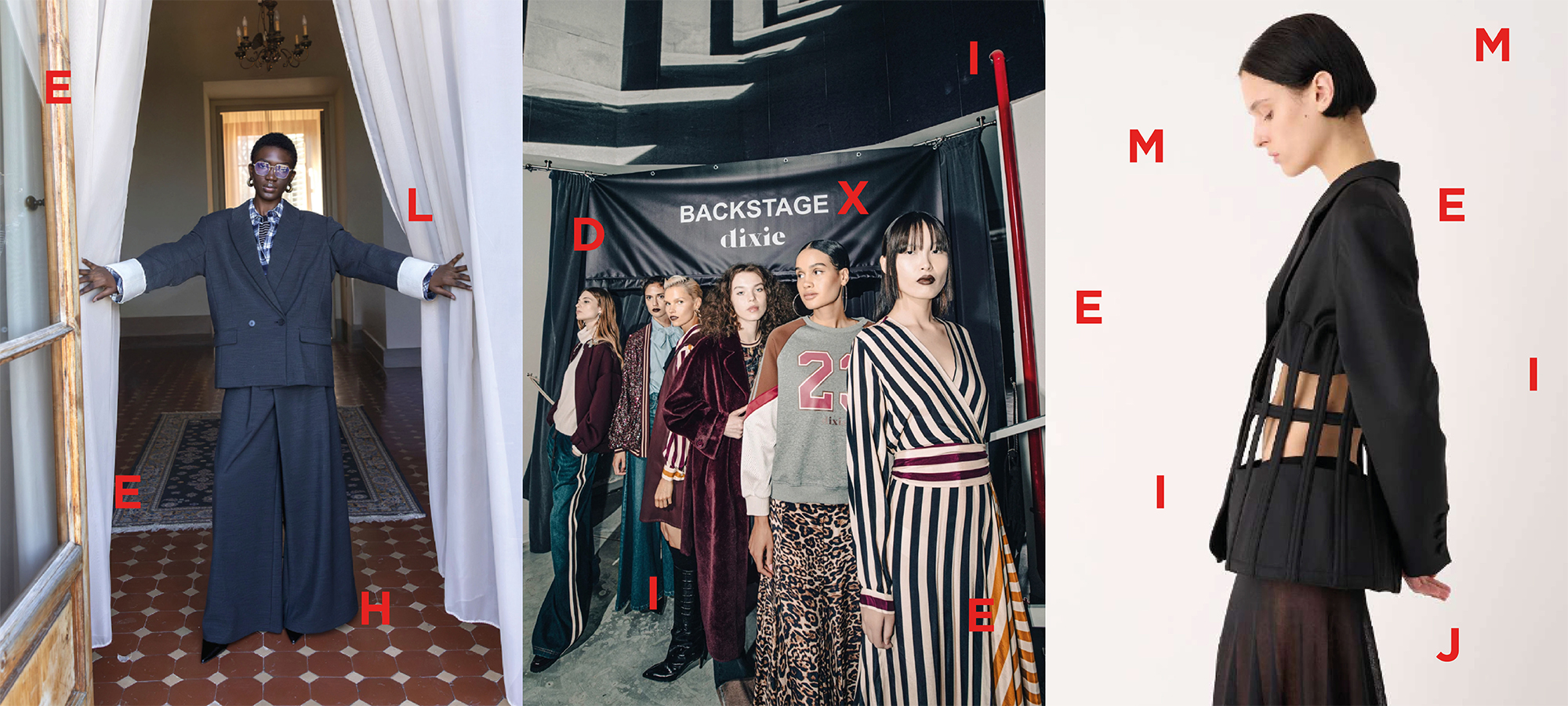
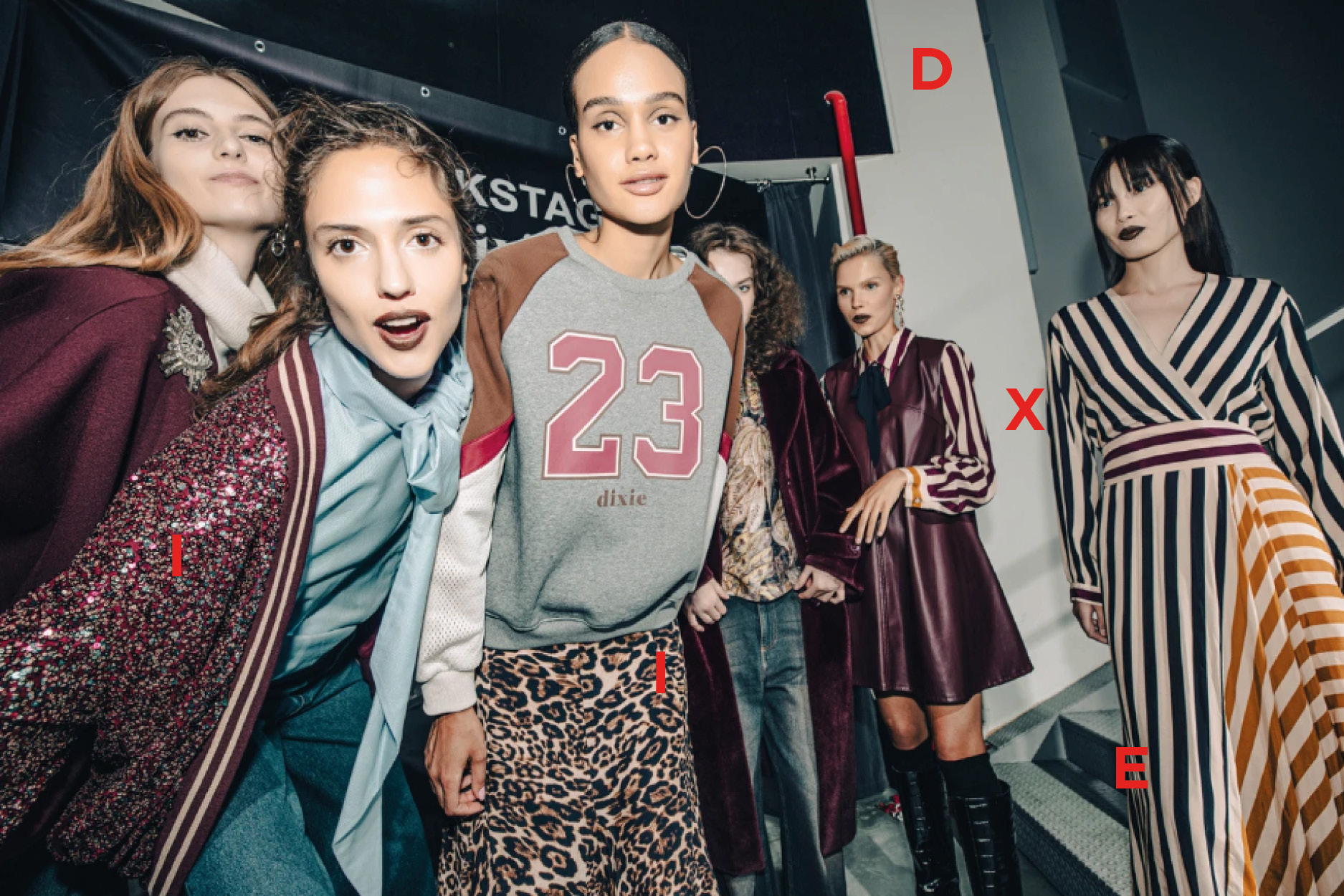
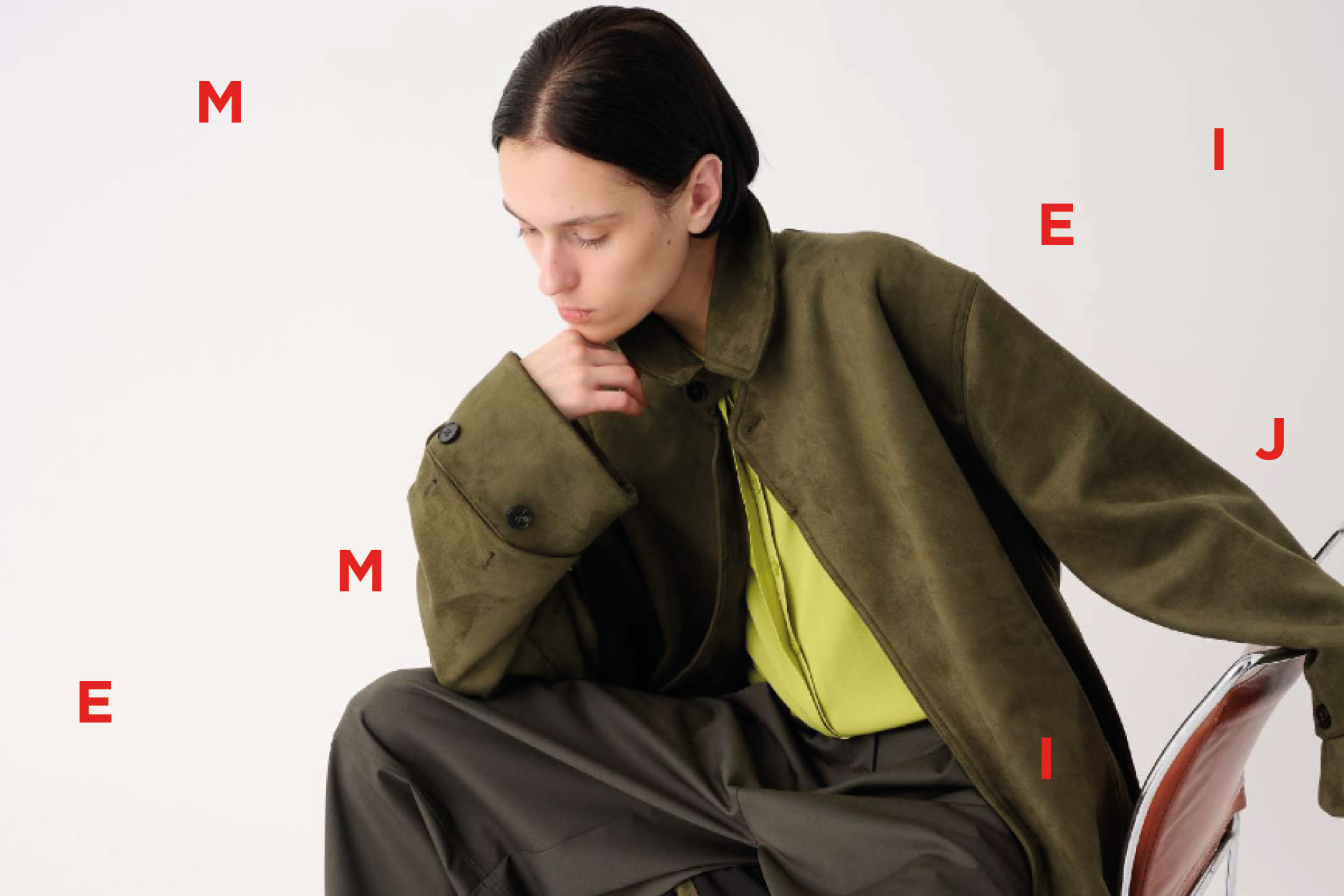
“Just like last summer, we’re coming with three brands. MeiMeiJ is designed by a stylist of Chinese origin whose mother was a couturier, she grew up in the atelier. There’s a strong focus on tailoring and modern elegance, with a very creative use of materials and shapes. The manufacturer produced for leading brands for many years before launching their own label with this designer. MeiMeiJ presents two drops per season: a pre-collection and a main collection. Eleh is also Italian, with Chinese designers behind the scenes. It’s minimal in colour but creative in shapes and fits, with a subtle Northern European feel. Eleh targets a younger audience, starting around 25, but without an upper age limit. They connect extremely well with this demographic via social media. For that trend-conscious generation, it’s an accessible product, and for retailers it offers an attractive margin of 3.0. We had great success with Eleh at the last edition of Modefabriek. Eleh presents one collection per season. Finally, Dixie from Bologna. The brand was briefly absent from the market but is now part of the Imperial and Please group, both pronto brands. Dixie sits slightly higher in the market, offering two collections per year, complemented by pronto deliveries as service products for retailers who follow the season closely. Dixie has a boho-chic aesthetic, isn’t afraid of colour or prints, and contrasts nicely with the other two brands. You can really feel that retailers are once again looking for something fun and colourful.”
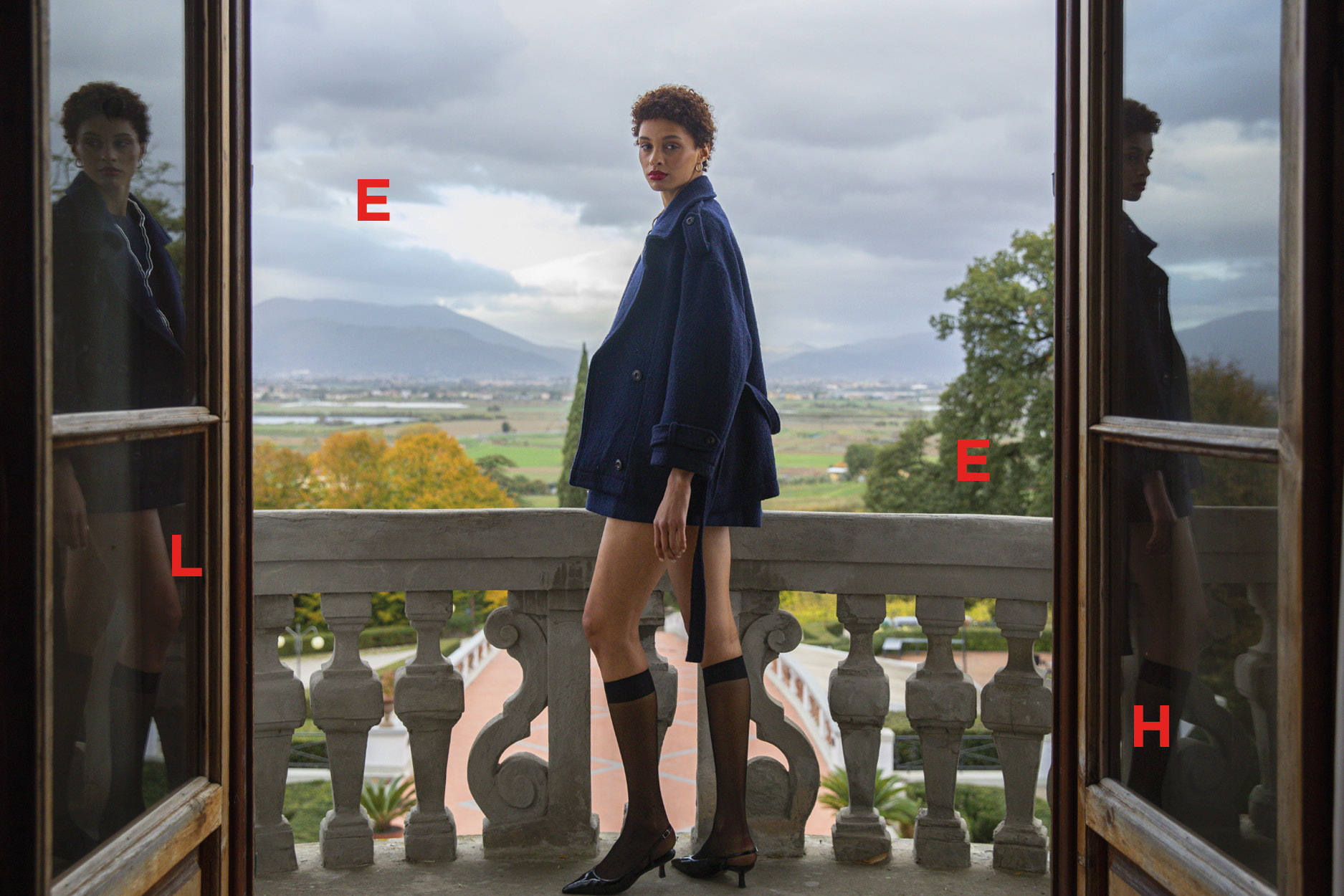
“All three brands will have their own stand, positioned next to each other. I have an amazing team, so each stand will be staffed by one of my stars, while I’ll be the connecting glue. After all these years, I know many people at Modefabriek, and it’s always great to catch up with colleagues.”
We’re looking forward to it!
Share article